
 English
 Español
 Pусский
 Français


Curtain Wall Engineering andStructural Assembly
Certainly — here is a 500-word English description of Curtain Wall Engineering and Structural Assembly, with no company names included:---Curtain Wall Engineering and Structural AssemblyCurtain wall engineering and structural assembly play a vital role in modern building design, combining architectural aesthetics, structural performance, and environmental efficiency. A curtain wall is a non-load-bearing exterior system attached to a building’s structural frame. Its primary purpose is to protect the interior from weather conditions while allowing natural light, improving energy performance, and creating a visually appealing façade.The engineering process begins with careful planning and design coordination. Engineers and architects work together to determine the system’s technical requirements, including wind resistance, thermal insulation, waterproofing, seismic performance, and compatibility with the main structure. Materials such as aluminum, glass, steel, and composite panels are selected based on durability, appearance, and performance standards. Detailed calculations and digital modeling are often used to ensure the curtain wall can withstand environmental loads and structural movement.Structural assembly is a precise and highly technical process. It typically involves the fabrication of mullions, transoms, brackets, anchor points, and panel units in controlled factory conditions before transportation to the construction site. Prefabrication improves quality control, reduces on-site labor, and shortens installation time. During assembly, each component must be installed with accuracy to maintain alignment, stability, and tight sealing. Even small deviations can affect the system’s structural integrity and weatherproofing performance.One of the key aspects of curtain wall assembly is the connection to the building structure. Because the curtain wall does not carry the building’s dead load, it must be securely anchored to slabs, beams, or columns while still allowing for thermal expansion, contraction, and inter-story movement. Engineers design connection details to accommodate these movements without causing stress or damage to the façade. This flexibility is essential for long-term performance and safety.Weather resistance is another major concern. Curtain wall systems are designed with layered protection against air leakage, water infiltration, and condensation. Drainage paths, seals, gaskets, and pressure-equalized cavities are often incorporated into the system. These features help maintain a dry and comfortable interior environment while protecting the building envelope from deterioration.In addition to functional performance, curtain wall engineering contributes significantly to architectural expression. Large glass surfaces create a sense of transparency and openness, while metal panels and custom profiles provide rhythm and texture to the façade. The system can be adapted to many building types, from commercial towers to cultural institutions and public facilities.Modern curtain wall engineering also emphasizes sustainability. Energy-efficient glazing, solar control coatings, and integrated shading devices help reduce heating and cooling demands. Recyclable materials and efficient fabrication methods support environmentally responsible construction.In conclusion, curtain wall engineering and structural assembly require a balance of design, precision, and technical expertise. A successful system enhances the building’s appearance, protects against environmental conditions, and ensures long-term durability. As construction technology continues to advance, curtain walls remain an essential element of innovative and high-performance architecture.---If you want, I can also make it:1. more formal and technical, 2. simpler for a brochure, or 3. shorter at exactly 500 words.
نتاج
تصنيف:
-
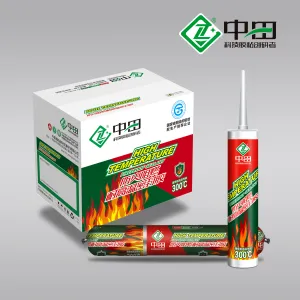
هندسة الحوائط الساتر والتجميع الهيكلي
تصنيفها: هندسة الحوائط الساتر والتجميع الهيكليالمشاهدات: 1083عدد:وقت الإصدار: 2026-06-08 15:11:40تم تصميم حلول هندسة الحوائط الساتر والتجميع الإنشائي لتوفير القوة والمتانة والأداء الفائق لأنظمة واجهات المباني الحديثة. تم تصميم هذه الأنظمة خصيصًا لمشاريع البناء التجارية والسكنية والصناعية، وتجمع بين التصميم الهيكلي المتقدم وتقنية التجميع الموثوقة لضمان الاستقرار على المدى الطويل، ومقاومة الطقس، وكفاءة الطاقة. مناسبة لجدران الستائر الزجاجية، وأنظمة واجهات الألومنيوم، والزجاج الهيكلي، وتطبيقات الأغلفة المعمارية، فهي توفر مقاومة ممتازة لأحمال الرياح، وأداء مانع لتسرب المياه، وعزل حراري، وجاذبية جمالية. تساعد أنظمة هندسة الحوائط الساتر والتجميع الإنشائي على تعزيز سلامة المباني وتقليل متطلبات الصيانة وتحسين الأداء البيئي ودعم التصميمات المعمارية المعاصرة للمباني الشاهقة ومشاريع البناء واسعة النطاق.
أخبار
تصنيف:
-
[Technical Knowledge]How to Prevent Water Leaks with Door and Window Sealant
2026-07-20 14:26:20 -
[Technical Knowledge]Top Waterproof Applications for Water-based Acetic Acid Sili...
2026-08-23 01:56:42 -
[Technical Knowledge]Best Waterproof Silicone Sealant for New Construction Projec...
2026-08-30 02:02:14
حالة
تصنيف:
لا توجد نتائج بحث!
فيديو
تصنيف:
لا توجد نتائج بحث!
تحميل
تصنيف:
لا توجد نتائج بحث!
تجنيد
تصنيف:
لا توجد نتائج بحث!
المنتجات الموصى بها
-
NEWS
هندسة الحوائط الساتر والتجميع الهيكلي
مزيد من المعلومات



 هاتف