

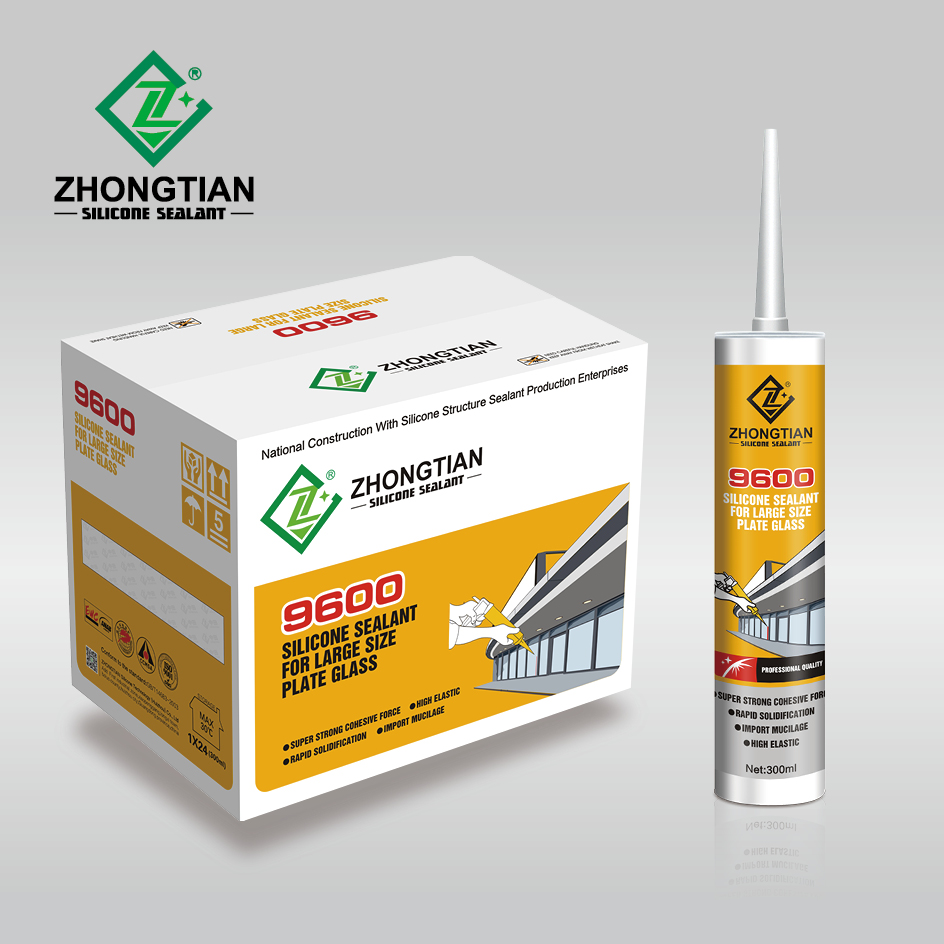
Door and window sealant plays a far more important role than simply filling a visible gap.
In modern building construction, renovation, and maintenance, door and window sealant
is a critical material that helps protect the envelope of a structure, improve performance, reduce
movement-related damage, and support long-term structural integrity. When properly selected
and correctly installed, sealant contributes to weather resistance, air tightness, moisture control,
vibration management, and joint durability around doors, windows, and surrounding building components.
For architects, contractors, builders, property managers, and homeowners, understanding
how door and window sealant contributes to structural integrity is essential for achieving
better building performance. The right sealant does not just improve appearance; it helps preserve
the connection between frame, wall, glass, and substrate by accommodating movement while maintaining
a durable barrier against environmental stress.
This page provides an industry-focused overview of door and window sealant, including its definition,
primary functions, performance benefits, application areas, selection factors, common product types,
typical specifications, and structural advantages. It is written to support SEO-friendly content needs
for blogs, directory pages, and industry pages, with a clear format that can be directly inserted into
an HTML webpage.
Door and window sealant is a flexible sealing material used to close joints, gaps,
and interfaces around door frames, window frames, glazing edges, wall penetrations, and perimeter
connections. Its purpose is to create a durable and elastic seal that prevents uncontrolled entry of
air, water, dust, pests, and sound while allowing limited movement between building materials.
In building construction, joints around doors and windows are natural weak points in the building envelope.
Frames expand and contract, walls settle, and temperature changes create stress. A high-performance
door and window sealant helps manage these changes without cracking, shrinking excessively, or losing adhesion.
This is one reason sealant is considered a key contributor to building durability and
structural performance.
Structural integrity refers to a building’s ability to remain stable, safe, and functional over time
under environmental, mechanical, and thermal conditions. While sealant is not a load-bearing structural
component like steel or concrete, it supports structural integrity in an indirect but highly important way.
Around doors and windows, sealant helps maintain the continuity of the building envelope. If gaps are
left open or sealant fails prematurely, moisture can enter wall systems, air leakage can increase,
insulation can become compromised, and adjoining materials may deteriorate. Over time, these issues can
lead to rot, corrosion, mold growth, movement damage, or even frame deformation. Therefore,
door and window sealant contributes to structural integrity by protecting surrounding materials
from environmental degradation and preserving the performance of joint assemblies.
| Function | How It Helps Structural Integrity | Long-Term Benefit |
|---|---|---|
| Weather sealing | Blocks rain, snow, wind, and moisture from entering the joint | Reduces water damage and material decay |
| Air sealing | Limits air leakage through window and door perimeters | Improves energy efficiency and reduces condensation risk |
| Movement accommodation | Allows expansion, contraction, and vibration without cracking | Protects joints from fatigue and failure |
| Bonding support | Adheres to substrates and helps stabilize perimeter interfaces | Maintains joint performance and durability |
| Moisture control | Prevents hidden water intrusion into wall cavities | Reduces mold, corrosion, and structural deterioration |
| Sound reduction | Helps seal air pathways that transmit noise | Improves comfort and enclosure quality |
| Thermal protection | Reduces drafts and heat transfer around openings | Supports building envelope efficiency |
One of the most important benefits of door and window sealant is its ability to prevent water from
penetrating the building envelope. Moisture infiltration around frames and joints can damage wood,
metal, drywall, insulation, and masonry. In repeated exposure conditions, water can weaken fasteners,
promote rust, and create structural deterioration. A properly applied sealant forms a continuous barrier
that supports long-term waterproofing performance.
Air leakage around doors and windows reduces energy efficiency and can create pressure differences,
comfort issues, and condensation problems. Door and window sealant reduces unwanted airflow through
perimeter gaps, helping the building maintain more stable indoor conditions. Improved air tightness also
supports HVAC efficiency and lowers strain on heating and cooling systems.
Buildings naturally move due to temperature variation, structural settlement, vibration, and material
expansion or contraction. Sealant is designed to remain flexible so it can absorb movement without
losing adhesion or tearing. This flexibility is crucial near door and window openings, where different
materials meet and movement mismatch is common.
Unsealed or poorly sealed joints can allow moisture and contaminants to attack surrounding materials.
Over time, wood can rot, metal can corrode, concrete can crack, and paint or finishes may peel.
Door and window sealant helps preserve the condition of the interface, reducing maintenance costs and
extending service life.
While sealant is often associated with weatherproofing, it also helps reduce noise transfer by closing
air gaps. Acoustic comfort is an important component of overall building quality. Sealed door and window
joints support quieter interiors and contribute to a more controlled building environment.
By limiting drafts and uncontrolled air exchange, sealant helps improve thermal performance. This can
lead to lower energy usage and more consistent indoor temperatures. In modern energy-conscious buildings,
good joint sealing is part of a complete envelope strategy.
Door and window sealant is used in many locations across residential, commercial, and industrial projects.
The most common applications include perimeter joints, installation gaps, glazing edges, expansion joints,
interface transitions, and repair areas where movement or weather exposure is expected.
| Application Area | Typical Purpose | Performance Need |
|---|---|---|
| Window frame perimeter | Seals the space between frame and wall | Weather resistance and flexibility |
| Door frame perimeter | Closes gaps around exterior and interior door frames | Air sealing and durability |
| Glazing edges | Supports glass-to-frame sealing | Adhesion and movement accommodation |
| Facade transitions | Seals junctions between dissimilar materials | Compatibility and weatherproofing |
| Expansion joints | Maintains joint flexibility as materials move | Elastic recovery and crack resistance |
| Renovation repairs | Restores aging or damaged sealing lines | Adhesion to existing surfaces |
Different projects require different sealant chemistries. Selection should be based on substrate type,
movement requirements, exposure conditions, installation method, and expected service life. Below are
common sealant types used in the door and window sealing industry.
| Sealant Type | Key Characteristics | Common Uses |
|---|---|---|
| Silicone sealant | High flexibility, strong weather resistance, long service life | Exterior window sealing, glass joints, exposed façades |
| Polyurethane sealant | Good adhesion, durability, and mechanical strength | Frame perimeters, construction joints, mixed substrates |
| MS polymer sealant | Balanced flexibility, paintability, and substrate compatibility | Interior and exterior perimeter sealing |
| Acrylic sealant | Easy application, paintable, economical | Interior gaps, low-movement joints |
| Hybrid sealant | Combines properties of multiple chemistries | General-purpose construction sealing |
| Butyl sealant | Good tack and moisture resistance, but limited movement capacity | Secondary sealing and specific glazing uses |
When evaluating door and window sealant, several performance properties matter for long-term
structural support. The best product is not always the most visible one; it is the one that matches the
project’s movement, weather, and substrate conditions.
| Property | Why It Matters | Desired Outcome |
|---|---|---|
| Elasticity | Allows movement without cracking or separating | Stable joints over time |
| Adhesion | Keeps the sealant attached to frame and substrate surfaces | Reliable sealing bond |
| Weather resistance | Resists sun, rain, wind, and temperature extremes | Outdoor durability |
| Water resistance | Prevents moisture penetration into hidden spaces | Protection from damage |
| UV resistance | Reduces degradation under sunlight | Longer service life |
| Movement capability | Handles expansion and contraction cycles | Less joint failure |
| Paintability | Allows finishing where required | Better visual integration |
Door and window frames may be installed into wood, aluminum, PVC, steel, concrete, masonry, or composite
substrates. Sealant must remain compatible with the surrounding materials to provide stable performance.
This is especially important where different materials meet, because each material may expand and contract
at different rates.
| Material Type | Sealant Role | Typical Concern |
|---|---|---|
| Wood | Prevents moisture absorption and joint decay | Rot, swelling, paint failure |
| Aluminum | Seals metal-to-wall and metal-to-glass interfaces | Thermal movement, condensation |
| PVC / uPVC | Maintains flexible perimeter sealing | Heat movement, aging, gap formation |
| Steel | Protects joints from water ingress and corrosion | Rust, vibration, surface preparation |
| Concrete / masonry | Seals rough substrate interfaces and installation gaps | Porosity, movement, substrate dust |
| Glass | Provides perimeter sealing and bond support | Adhesion and compatibility |
The following table provides a general industry reference for common door and window sealant properties.
Actual values vary by formulation, region, and application standard. Always verify technical data before
specification or installation.
| Specification Category | Typical Range or Description |
|---|---|
| Base chemistry | Silicone, polyurethane, acrylic, MS polymer, hybrid, butyl |
| Movement capability | Low to high, depending on formulation and project requirement |
| Skin formation time | Minutes to a few hours |
| Cure type | Moisture cure, solvent evaporation, or chemical reaction |
| Shore A hardness | Soft to medium-elastic for most perimeter sealing applications |
| Service temperature | Commonly designed for wide outdoor and indoor temperature ranges |
| UV resistance | Important for exposed exterior applications |
| Paintability | Depends on product type; some are paintable, some are not |
| Substrate compatibility | Should match frame, wall, and glazing materials |
| Primary application | Weather sealing, air sealing, glazing, perimeter joints, repair |
The effectiveness of door and window sealant depends not only on the product itself but also on preparation,
installation, and environmental conditions. A high-quality sealant can still fail if the substrate is dirty,
the joint design is incorrect, or curing conditions are poor.
Weak or failed sealing around doors and windows can create a range of building problems. These issues
often begin as small leaks or minor draft paths and grow into more serious maintenance concerns over time.
| Problem | Possible Cause | Impact on Structural Integrity |
|---|---|---|
| Water leakage | Cracked, missing, or poorly adhered sealant | Moisture damage, rot, corrosion |
| Air leakage | Gaps, shrinkage, or incomplete sealing | Energy loss and condensation risk |
| Sealant cracking | Low flexibility or excessive joint movement | Loss of weather protection |
| Adhesion failure | Poor surface preparation or incompatible materials | Joint separation and exposure |
| Mold growth | Persistent moisture infiltration | Indoor air quality and material deterioration |
| Frame deformation | Long-term moisture or thermal stress | Reduced opening stability and performance |
Proper installation is essential if door and window sealant is expected to contribute to structural integrity.
A sealant bead should be designed to bridge the joint effectively, not simply cover the surface. In most cases,
best practice includes cleaning the substrate, using the correct primer if required, controlling joint depth,
and ensuring the sealant is applied continuously without voids.
For exterior sealing, installers often consider backer rods, bond-breaker materials, and joint geometry to
ensure that the sealant adheres only where intended and can move correctly with the assembly. These details
help improve joint lifespan and prevent premature failure.
Door and window sealant is widely used across project types because the need for reliable perimeter sealing
is universal. While the specific demands may vary, the structural role remains consistent: protect openings,
reduce environmental stress, and support durable enclosure performance.
| Project Type | Typical Sealant Benefit | Priority Performance |
|---|---|---|
| Residential buildings | Improves comfort, prevents leaks, protects finishes | Flexibility and aesthetics |
| Commercial buildings | Supports envelope performance and long-term maintenance control | Durability and weather resistance |
| Industrial facilities | Helps manage exposure, vibration, and demanding conditions | Strength and chemical resistance |
| Institutional buildings | Improves safety, comfort, and building lifecycle performance | Reliability and compliance |
Choosing the right sealant starts with understanding the application. No single product is ideal for
every condition. The correct choice depends on exterior or interior use, joint movement, substrate type,
required finish, weather exposure, and maintenance expectations.
To support search visibility, industry content should naturally include a range of related phrases.
Below are common keyword themes that align with user search intent and topical relevance:
To maximize the contribution of door and window sealant to structural integrity, building professionals
should follow best practices throughout the lifecycle of the joint. This includes correct product selection,
proper installation, and periodic inspection.
Door and window sealant may be small in size, but its role in construction performance is significant.
By sealing perimeter joints, managing movement, reducing moisture intrusion, and protecting adjacent materials,
door and window sealant contributes to structural integrity in a practical and measurable way.
It supports energy efficiency, preserves building materials, improves acoustic comfort, and extends the
service life of doors and windows.
Whether used in new construction, retrofit projects, or ongoing maintenance, the right sealant helps
maintain a stronger building envelope. For this reason, selecting and applying quality
door and window sealant should be treated as an essential part of building protection,
not an afterthought. In modern construction, effective sealing is one of the simplest and most valuable
steps toward long-term structural durability.
```
+86-18003009562
+86-18003009526
مبنى الصين guan G قرية ξAopenggang، الشارع الطويل
zhongtian05@hz-zhongtian.cn
qingailing579@gmail.com


حقوق الطبع والنشر © Zhongtian New Material Technology (huizhou) Co., Ltd. جميع الحقوق محفوظة
خريطة الموقعيستخدم هذا الموقع ملفات تعريف الارتباط لضمان حصولك على أفضل تجربة على موقعنا.

 English
 Español
 Pусский
 Français



 هاتف
تعليق
(0)